



Podcast: Play in new window | Download
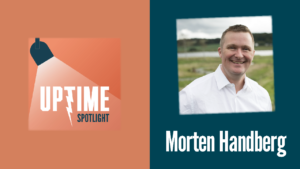
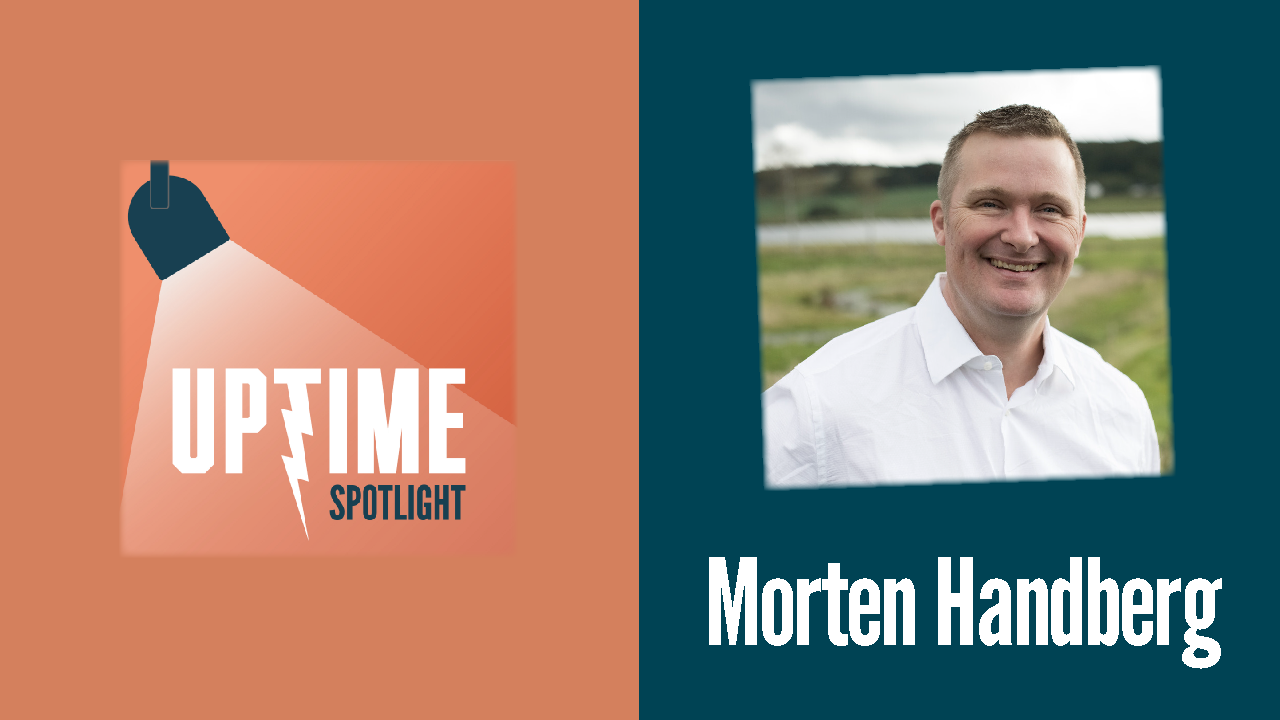
Morten Handberg answers the big questions around drone inspections, including how often to inspect, how many turbines to sample, and how much AI results should be qualified. Contact Morten on LinkedIn
The Uptime Wind Energy Podcast is brought to you by Weather Guard Lightning Tech, creators of the StrikeTape Ultra LPS retrofit. Subscribe to Uptime’s Substack newsletter. And check out Rosemary’s “Engineering with Rosie” Youtube channel. Have a question we can answer on the show? Email us!
Episode Transcript
Speaker: [00:00:00] Welcome to Uptime Spotlight, shining light on wind energy’s brightest innovators. This is the progress powering tomorrow
Allen Hall: Morten, welcome back to the program.
Morten Handberg: Thanks, Allen.
Allen Hall: It is drone inspection season. Everybody in the Northern Hemisphere is either having drone inspections done right now or about to, before the, the winter weather hits. There are a lot of decisions to make, of course, when you’re doing drone inspections, and Morten, you and I were just talking about some of the difficulties with drone inspections, particularly, and the, the highest level one is always how often and how many should we be thinking about it when we’re gonna do drone inspections?
How, how often should you do it, and how many turbines out of the total should you sample?
Morten Handberg: Well, it really depends on what it is that, that you want to see, [00:01:00] uh, and, um, what it is that you want to achieve. I would always argue for doing annual, uh, uh, blade inspections, um, both internally and externally, because you want to know what is the overall condition of your wind farm.
That’s not to say that you need to inspect every single blade every single year. I don’t think that necessarily adds value. Uh, if you have a service contract that covers that and gives you an annual inspection, that’s great. But there might still be a benefit for you to do a, your own sets, uh, because your service contract will typically not cover internal inspections, and it will, it will limit the amount of information you have available that you can then use to understand your, uh, your wind farm condition, of your blade condition, and also what actions you need to take in terms of erosion, lightning, structural damages.
So I will always go for arguing for a subset, uh, both externally and internally, and then divide it out into the wind farm, uh, because you want to have [00:02:00] a, a, a, as divided a, a pool of ins- of, uh, of, of, uh, in your subset as possible, because that give, gives you the broadest understanding about what’s going on.
And from there you can then decide, okay, is there something serious going on? Is there any seal defect? Are there major lightnings? Is erosion an issue? And then you can trigger more inspection, but so, so you can use it to, to, uh, argue for more value in inspections.
Allen Hall: But Morten, I have a full service agreement, and my OEM is doing inspections, I think.
Isn’t that good enough?
Morten Handberg: It’s a good start, um, and it means that they are fulfilling their part of the service agreement. Um, but- How they categorize and to what detail that you can get access to really matters in terms of what value you get out of it. If you only get the report and you only get the thumbnails, then you only see a, a small piece of what is actually going on on the blade.
If your OEM is doing, um, [00:03:00] you, you know, if they are, if they’re doing the best job in the world and they’re pristine in all of their assessments, then okay, that’s good. But, um, I don’t think that, y- you know, it’s, uh, we, we can, we, most of us can probably agree that, that it’s not always the 100, 100% that, that we, that we see from these inspections because they are, they’re done in massive amounts, and that means that the quality in the reporting goes down.
So, so it, it limits you in what you can actually learn from these reports, both in terms of the quality and the assessment, but also just in the amount of information that is in the report. And thereby, if you really wanna have a good understanding about what is actually my wind turbine co- my wind, uh, wind farm condition, then having your own, own data set really helps you out.
Allen Hall: But Morten, usually when an OEM provides a, a set of inspections, it is just a, usually, like, just a couple of turbines. And I assume that the OEM is just telling me about the, the things that are serious. Everything else must be okay, right?
Morten Handberg: Well, typically, it’s everything that they show. Um, so, [00:04:00] um, at least some of the reports that we see that, you know, every single defect is, is, uh, that they have found is marked out.
Um, but there is a, there can be a lot of inconsistencies in, in how things are annotated, um, both in terms of structural, in terms of erosion defects, uh, and If you wanna make a, if you wanna have a, a, a claim or you want to make a, um, an, a, make
a proper repair campaign, then having the, having the right annotation and the, and the, and the correct, uh, assessment is really important for you because it’s really important when you plan a repair if you know that it’s this contamination or is it a crack. It’s really important for your leading edge erosion campaign to know is the cause of my erosion because of rain erosion or is it because of peeling from, uh, poor adhesion or is it because of voids in, um, in my, uh, in, in, in the blade that is causing the coating to fail because that means a lot in, in terms of what solutions you [00:05:00] should, you should use to, to mitigate it.
Allen Hall: Is there a, a better approach? Uh, because what I see somewhat globally at this point is that if an operator has a full service agreement and they’re running, let’s just say they’re running 10, 15, 20 different farms and they’re spread out over a large geography. So the, there isn’t like you can drive between them.
They’re hundreds of miles apart. There’s no way that the owner operator can get into that level of detail. They have to let the OEM drive that ship, so to speak, where they, they, at least the first cut is done by the OEM. Has that historically been the best method or it, does that lead to problems down the road?
Because I, I think the quality and the maybe the consistency there of, of the inspections varies from year to year and who the supplier was that actually did it. Was it the [00:06:00] OEM with a DJI drone and one of their technicians doing inspection, or is it, or, or was it like a proper drone company that has high resolution, uh, inspection equipment doing that, uh, series of inspections?
There just seems to be so many variables here. But me as the owner operator, there’s not enough time in the day for me to go do all this myself. I have to rely on somebody to, to do the right thing. What is that mix? Like, how much do I rely upon that OEM to provide the information, the, the really, the real information?
Is it 100%? Like I completely have to totally trust them? Or is it more of like a 20%, like I’m going to sample what there’s, what they’re telling me myself? I’m gonna… I need to do a, basically a double inspection, a re-inspection of what I was told to make sure that was true. Uh, where is that, where’s that line?
Morten Handberg: I think that if you are a seasoned operator, you’ve been running your wind farm for 10, 15 years, you’ve been [00:07:00] using your OEM for all that time, and they have provided good reporting for you, and you’ve been happy with the results, and you’ve been happy with the repair campaigns, then you’ll probably have a re- pretty good regional management of that area, and then I would be okay with that.
Um, but that is not always what we see. Um, so it’s, it’s fair to, to, to pressure test it and to make sure that what you’re being, uh, provided is accurate. So I would say if you’re, if, if your, if your wind farm is new or you’re new to your relationship with your OEM, then doing a subset will give you some, uh, good understanding what is the OEM actually providing you, and are you seeing the full, full picture, and are their annotations correct?
Um, if that matches one-to-one, then that means that the O&Ms go and doing a good job, which is good, and that’s what we want. If not, then you know [00:08:00] that you have– that there is a need for you to take, uh, some more control in order to keep your asset healthy, which is what we want, and to be proac- be more proactive in handling some of the, some of the issues.
Because if you’re not, then you could end up with severe erosion issues that are being neglected or misrepresentate– misrepresented. You could end up with structural damages that are either, uh, blown out of proportion, that where they are– where the, the method to, to rectify it, uh, means that you– it’s something that could be repaired is getting replaced, which means a massive amount of cost on your side.
Um, could also be that a, uh, that a serious issue is getting, getting ne- neglected and then turns into something much more severe, um, afterwards. A- and again, it’s about finding out where that balance is. Uh, and again, there, uh, the easy way is simply– It’s not– The best way is not for you to do [00:09:00] a full sweep, one-to-one, 100% inspection of everything, because that will just, uh, that will just mean a lot of data that you need to de- you need to manage and control.
You might not get full value out of it. That’s very doubtful. But doing a smaller subset of, you know, some, you know, um, 10, 15 percentage, uh, of the wind farm will give you an understanding about where you actually are in, in, in the, in the, in the condition of your wind farm. And something I would, I would actually argue for it both within warranty, during warranty, and also afterwards.
Because within warranty, it tells you, okay, where we’re going, what is the overall quality of my wind turbines? And is there something egregious developing, uh, very early that we need to be aware of? So you don’t get surprised at warranty that then, you know, that, that, that, you know, if there– that you don’t look into a massive amount of issues that you did not anticipate.
So doing some pre-inspection early in, in the warranty is, is not the worst thing that can– that, that you can do. It actually can actually [00:10:00] helps save you from a lot of issues during end of warranty.
Allen Hall: Well, does it come down to what your O&M budget is for each of the wind farms and how you distribute those funds?
Uh, so let’s just say we’re pre-warranty, like we’re in the first year or two of operation. Am I looking at 100% of the turbines there just knowing that I need to have a master list of warranty claims before, uh, that time period passes? So it makes sense to do 100% and do external and internal inspections because of, again, starting to file claims before the, the time period lapses.
Is that the right approach, or is it still more of a sampling plan during that early time period?
Morten Handberg: Before any warranty, sampling is fine because if there’s a, if there’s serial issues developing, the sampling should also show you. Um, again, it, it’s about finding the right balance, not, uh, spend huge amounts of [00:11:00] resources and, and money on, uh, on something that may or may not show some, sh- show, show a lot of problems.
If you do a subset and you start to see, okay, there is, there is actually something in my subset, it’s much easier than to say, okay, we want to do a full sweep because we need to have a handle on what’s actually going on. It’s, it’s more– it, it’s difficult if you go out, do 100% and you find zero, then you sort of, you’re the person crying wolf, and the next time that you, that you ask for it, you might not be g- be taken as serious.
So, so it’s about finding that right balance in, in, in how, um, much to push for these, uh, extra inspections. But re- regardless of what you do, as long as you’re doing something, y- you know, doing a subset, then, then you’re keeping it in control, uh, to some degree.
Allen Hall: Uh, let, let me throw you some numbers here because I think this matters, and I know a lot of operators and engineers really struggle with this.
So if I have a 10-turbine farm Am I just doing all 10 because the cost of doing it is still relatively low and the turbines sort of tend to [00:12:00] be close together? Uh, I’m not gonna save all that much money. Does it just make sense to do that? Versus 100, 200, 300 plus turbine farm, I, I have to be into some sort of sampling plan there.
What, where do you kinda draw that line? Where do you shift from all of them to, uh, to something that is more of a typical sampling plan?
Morten Handberg: It’s easy to say, “Okay, we’re mobilizing anyway. Why not do the full sweep? It’s a small wind farm. Who cares?” And which can be true, but the inspection, you might be more efficient because you’re, you’re, you’re using the en- entire day with the drone pilot of whatever it is that you use, uh, which makes sense, but you still have the data handling afterwards.
You need to, you need, and you need it to ma- maintain. The, the highest cost today is typically not the, in the, um, inspection itself, because it’s quite fast. It is into the, in, in the data managed afterwards and then re- reacting to it. Um, so yeah, 10 doesn’t sound like a lot, but a- and if you want to do 10, that’s fine, [00:13:00] but I would say you could do with two, uh, three.
But, but, you know, I wouldn’t do one because that, that, such a small number can mean anything. You know, you’re, you’re, you’re really vulnerable to, to small deviations. But doing, on a small wind farm, doing two or three will still give you this broad sense of what’s going on. Uh, larger wind farms, you can probably do with less because you can, y- you know, your smaller sample will still show, uh, quite significant results in terms of erosion, in terms of lightning, in terms of, uh, structural damages.
So the larger the wind farm is, the lower the, your, your percentage can be because you can still get a, a relatively large subset.
Allen Hall: Usually after a year of operation, you have a master list of problem turbines Do you just focus on those problem turbines, which tend to be in the 10%, maybe 20% if you have something really wrong?
Do you focus on those for inspections, or, or do you just say, “I know that exists. I’m going to go look at the other turbines that don’t have a master list of problems”?
Morten Handberg: It’s has to be [00:14:00] both, because if you only look at, uh, you know, there’s the, um, uh, there, there is, there is the, the famous World War II quote where, you know, that people always focus on the, the planes that, uh, got back and, you know, where they, where the, the, the Germans, they had shot the planes and where you saw the bullet holes was.
The problem was that you didn’t really know what was going on, but the planes never made home, so you didn’t really necessarily understood the issue. So if you only, uh, only look at what you can see and what you have in focus because you know where the issue is, it means that you’re blind to something new developing.
So you have to sort of have a focus on both. So I would say if you have a master list of turbines where these are really serious problems what we see here, that’s fine. You should definitely do inspection on those to keep in control with whatever is causing you problems, but you still need to then still add some turbines that, uh, that are not showing anything just to make sure that you’re not, you’re not, [00:15:00] you know, that they’re not quiet defect that are developing into something extreme.
Allen Hall: All right, so that, that’s sort of pre-warranty, end of warranty, uh, situation. Now let’s talk about the other big hurdle that, that’s been placed in a lot of operators’, uh, way recently, which is a wind farm that you were going to repower and that you probably stopped maintaining at a really high level maybe a year ago because you were gonna repower at year 10, and it’s year 7.
You’re kinda into this thing, and now you’re being told, “Uh, we need to go to 20 years. I need to get 20 years of lifetime out of these turbines.” What’s the drone inspection plan then? Are, are you then doing 100% just because the world has changed and now you’re being asked to, to do this monumental task of doubling the, the lifespan of these turbines?
Morten Handberg: I would say, you know, the, the same methodology still applies. You can, it- [00:16:00] Okay … it, it works. Um, if you– What I did back in the day is that I would do a quarter external every year on my wind farms. Uh, then over a four-year cycle, I would get around to the entire wind farm. Um, and that was for external, and then internally we do 10%.
Um, that is because the internal inspection are much more co- much more costly, uh, but the, but the learnings are much higher because that’s always structural, what you see internally. So they’re still very important to keep some kind of track of. If you sort of keep that, you can, you can do lower if you want, you can do higher.
That’s really up to what kind of your, uh, risk appetite is. If you’re really risk adverse, you might want to do more. If you’re very risk prone, then maybe you want to do less because you wanna save c- OpEx cost for a, uh, for a, for a higher r- um, ROI. Um, you know, that is sort of where the, where you need to, to make a commercial decision where your, where your risk aversion is.
Allen Hall: It– Let me ask you about that because the CapEx, [00:17:00] OpEx question comes up all the time. Where is the money going to come from to do these added inspections? Is this the time when the rules have changed that you go back to your tax equity partners or whoever’s involved in this wind farm and go, “Hey, this is different.
We’re in a d- different world here. We’re gonna need some CapEx funds to do these drone inspections because you’re– we’re, we’re changing everything about how we operate these wind turbines all of a sudden. And I, I– me, engineer, I need to know. If you really want this to work out, I need this data, and I need you to throw a l- you know, probably a couple hundred thousand more into the CapEx budget to get this done.”
Is that a reasonable ask today? I
Morten Handberg: mean, you can, you can definitely use that as an argument. And, and, you know, if you want to do a lifetime extension, then that also means that if there is any initiating issues, that would mean that you might, you know, hobble your way through [00:18:00] lifetime. But, but you want to push past that, then you might want to invest in the, in the turbines and in the blades, um, by going out, finding out are there any initiating structural issues that, uh, that we need to take care of before they t- before they, they, they turn into blade replacements, uh, or major repairs.
So that’s sort of an investment that enables, uh, lifetime extension. And blades are good in that way because, because of their large… you know, they, they’re, uh, glass fiber and carbon fiber and, and plastics, then, you know, you can, you can repair, you can reinforce, you can do a lot of things to, to, uh, to maintain the life and to extend the life.
Because as long as, as long as there’s not a structural damage in development, then, then the blade is still intact. It’s not, uh, it’s not like a metal spring that, uh, that, that… It doesn’t wear out in, in the same way.
Allen Hall: Yeah. It kinda runs and runs, and then it doesn’t. Um, one of the questions about that is Because everybody [00:19:00] on the economic side or the operations side of the wind farms, uh, is trying to budget out like, “Okay, what, how much revenue can I bring in with my existing PPAs?
What is gonna be my availability? What can I, can I predict availability five years out?” That becomes a real discussion be- uh, because, uh, what I’m hearing from operators are the, the things that go like this: “I looked at this 100 turbine farm. There are 30 turbines that will not make it five years, but I can manage that.
And if I’m, if I can spreadsheet this out and give- take them offline slowly, can I still make money on this wind farm?” That, those discussions are ha- actively happening, but it’s hard to do in a void. And, and one of the questions I always have is, well, how much information do you really have about these turbines, particularly in a FSA kind of situation where you’re, uh, you know, you’re year 10 and you’re trying to figure this thing out?
Uh, to me, as an engineer, I always want more data. And, and it’s that trade-off. [00:20:00] It’s that, it’s that risk/reward thing. W- is, is there, is there a right answer there? Is there ever a right answer there?
Morten Handberg: Not really, but that al- also because we’re limited in what kind of information we can get, because we don’t have a rain flow, um, count of the loads that the blades have exceed- have experienced.
We don’t really know. We can only see what we can see, um, and we have to base our decision on that. We can add sensors, uh, showing vibration, changes in load dynamics. We can show, we can do acoustics, uh, that kind of thing. So, you know, those things can help us, uh, support our decision, and they can make it easier, but we can never know everything, uh, because the Because the data is simply not there, and it’s not going to go- Right
we’re not going to get it unless you are an owner that, uh, that are incentivized to install 300 strain gauges into each and every blade from the start and then monitor it [00:21:00] through the life. But I don’t know that many of that, that, uh, of those, so it’s… We’re probably not going to get there.
Allen Hall: And maybe we will, Martin.
I, I think the, the discussion around lifetimes of wind farms is really driving this. So 20 years ago, when you installed this wind farm, the answer was no. Why would I ever need to know this information 20 years from now? I don’t need to know how much fatigue are in these blades. I don’t need to know how much wear is on my gearbox.
I don’t need to know if my foundation is swaying a little more than it probably should. I don’t need to know those things. And then 20 years later, you wish you had that data. Does that now change the equation where I, I agree with you, we’re not gonna do 100% of CMS systems on wind turbines. Generally speaking, that’s not gonna happen.
However, is there a case now where more information, even in a sampling plan, makes sense because I know 20 years from now I need to have some data? Even if I just do it for [00:22:00] one wind farm to give me an information about the wind turbine itself, should I do it?
Morten Handberg: Well, you could say the value proposition of doing load monitoring on a 20 megawatt turbine is much more palpable than on a two megawatt turbine because of the revenue stream and the value of having operated, operating longer.
And modern turbines are optimized, we’ve talked about this before, but they are optimized much more than they were 20 years ago. So the, so the, um, you know, the, the, uh, design buffer is simply not there anymore. So, so we’re much more prone to small changes that would cause structural damages, which it will also…
It’s also something that we are going to have interesting discussions about, uh, la- later in life, uh, compared to the discussion we have right now on the, on the old turbines. Um, so that’s definitely something that we’re going to have a lot more, uh, focus on and, and going to, to think a lot more about how we lifetime extend [00:23:00] newer turbines because of the, because of these changes in the, in the, in the design.
Allen Hall: Well, they, they become more like a race car, which is meant to run a certain amount of time and then not run, versus a industrial truck, which is meant to drive for a, a million miles and then get overhauled and continue for another million more. It’s just a different philosophy in the design. But, uh, it…
We are trending towards race car more than we are industrial truck.
Morten Handberg: Well, you know, Lamborghini started out building tractors that just ran forever- This is true … and then they switched into race cars.
Allen Hall: Yes. Well, a- and, and they lost some reliability, in my opinion. I have never owned a Lambo, but I would, I would beg to guess that a Lambo dealer- One day, Allen.
One day … does a lot of repairs. One day, yes. Okay, so I’m gonna touch the, the hot button issue, the third rail of inspection, which is AI, and how useful that data is. And I, I, I can hear people chirping [00:24:00] in my ear, “That’s not AI. That’s machine learning or mach-” So it’s not truly AI. I mean, it’s taking previous data and categorizing it and, and then using it to discern what’s happening going forward.
It’s not a true intelligent system. However, I am being pitched right now a lot of AI for drone inspections. “So give me your old drone inspection photographs. I’m gonna throw them into my whiz-bang AI system. I’m gonna come back with truer answers than what the drone inspection company did two years ago.”
Is that real? Is there a really good system that discerns what kind of damage it is and properly categorizes it in terms of severity?
Morten Handberg: So all the major OEMs, they have machine learning models. Yeah, you’re right. I don’t believe that they are, uh, true AI. They are machine learning that are really good at recognizing one image from [00:25:00]another.
Um, they have, uh, higher accur- accuracy in some types of defects than others. Um, erosion typically tends– Well, I’m going to contradict myself there. It’s really good at finding damages on the leading edge. Categorizing them, uh, between erosion, peeling, and voids, that’s something completely different. But it can recognize there is a damage on leading edge, so that’s something.
Where it can struggle is on, um, is on, uh, cracks, delaminations, uh, trailing edge debonding. It can struggle in detecting those because they are Very n- very nuanced, uh, small shades that you need to identify, so can be difficult for a, uh, for machine learning to pick that up. Um, whether or not AI will be better, uh, I am, this day and age, I am very doubtful.
It can probably say a lot of intelli- [00:26:00] intelligent things if you throw a lot of images of cracks at it, and say a lot of in- intelligent things about cracks and delaminations and what it means for the structure. But it just, it just provides you a general view of what is a crack and what is a delamination.
It doesn’t give you a specific answer to, to that exact damage because it doesn’t know. It only knows what is the general description of a, of a crack and delamination, how you repair it. So you will, you will not get the nuance, uh, that a blade expert will have on, well, for this Siemens blade or this Vestas blade or this GE blade, it means such and such, but on the other it means something else.
And because of the location here, it’s probably this kind of repair, this kind of severity. On this part here, it’s, it’s much more structural, you need to look at replacement. It will not have that nuance. Um, so you could probably use it if you want to have a general sense of what it, what it is, but you will miss some very critical information and, [00:27:00] and it can lead you to take some very bad decisions, um, either overdoing something or, or neglecting something.
Allen Hall: I’m gonna touch the hot button issue twice. I’m gonna double down here, Morten. Are you ready?
Morten Handberg: Yeah. Hit
Allen Hall: me. Can AI provide propagation growth of cracks and delams?
Morten Handberg: No. Um, if you give it two data points, then yes, it can tell you that the crack grew from one point, uh, to the other, and give you an example of what could the progression look like.
But it doesn’t know what it doesn’t know. It doesn’t know what will the wind conditions likely be. It, well, it doesn’t know what, under what conditions the turbine is, is operating. It doesn’t know how the blade is signed or what the structure is. So it will give you a very rough answer, but it can be egregiously wrong.
Um, so unless it really understands down to the detail where in the [00:28:00]blade that it’s affecting, what kind of structural layers that is, that is damaged, I would not trust it, the, the result from an AI in, in determining propagation. I don’t trust most people’s, uh, an- an interpretation of it because it’s so difficult.
Uh, so, and I’m not saying that we’re necessarily a lot better, but we can at least make more, uh, we can at least, we can at least articulate w- how risk prone our, uh, answer is, uh, and what the ultimate consequences are if you’re making the wrong decision. I don’t-
Allen Hall: Right …
Morten Handberg: and I don’t think an AI will have that nuance because it just wants to provide you with an answer.
Allen Hall: Well, I think that’s the issue that’s popping up now, because I’ve talked to a lot of operators that are getting pitched to crack propagation. You know, when would you want to repair this blade based on sort of previous history? But the parameters that go into that model are typically not known. Uh, a- again, weather, operations, how they’re, you know, what the, [00:29:00]necessarily how they’re operating, this turbine has been derated or not.
Like, all those variables that, uh, especially a dr- a drone company doesn’t have, makes that almost impossible to do because you don’t have all the variables in the equation. You have one or two maybe to, to predict it. I, I, I struggle with it, although I think it would be great. If someone comes up with this model and can tell me my Vestas, GE, whatever turbine blade will fail next August b- based upon all these parameters, and they’re right Wow.
Like, amazing. T- totally amazing, unbelievable. Like, I, I’m buying that system today. However, I, I don’t know if we’ve gotten to that point yet. I haven’t seen those test cases being shown to, to prove it out. And, and maybe you’re a lot closer to it than I am. I’m, I’m sort of downstream of all the blade people, but is, is [00:30:00] that a discussion that’s happening actively now?
Or-
Morten Handberg: My concern is that how does it recognize between a Siemens classic design, Siemens aerodynamic design, Siemens BBT- Yeah … Siemens SST- Yeah … uh, GE, LM split blade? It doesn’t know. Uh, and it will likely have a lot of input from all of that and then generalize it. But if you don’t understand, you know, how a crack, uh, behaves in an, in an S- in a VS BBT versus an SST blade, then you’re real trouble, then you’re in real, real, real trouble because they’re very different.
And the same with the, you know, if you base all your decisions on VS’s blade, but then suddenly you have a damage on the Siemens blade, you’re going to get in a lot of trouble. Uh, or you’re going to, you know, over, over-engineer a solution that might not be on a s- on an, on an issue that is not that critical.
Um, so, so that is my concern that we are, we’re trying to optimize and, uh, uh, and automize something that, uh, that, that will just, uh, leave us with a lot of bad decisions, [00:31:00] that we’re trying to, where we’re trying to make a good decision, but we’re, we’re doing it in a hurry, uh, because we don’t want to spend any time on it.
Allen Hall: Because blades are more like Lambos and Ferraris in terms of their design versus Ford Model Ts or Model A’s, where they’re just stamped out. They are– We’re not there today. Uh, we’re getting closer, I think, but we’re not quite there. So little variations, even between the same blade being produced in d- two different factories-
Morten Handberg: Two different things
Allen Hall: not the same outcome.
Morten Handberg: No.
Allen Hall: Two different things, right. Absolutely. And small minor manufacturing variations show up at year 15, year 18.
Morten Handberg: I think we’re moving more and more away from it being an artisan craft to build a blade and into being more and more automized, and that also means more, uh, more generic quality from that factory.
But it will still be down to the factory how they then decide to do that, that will then tell us, well, what is then the, the issue with this blade.
Allen Hall: This is a great discussion, Morten. It’s very complicated because you would like to have an answer for the [00:32:00] industry and say, “This, this is the way you do it and this is what has shown to work over time.”
But there’s so many outlier cases to that right now that there’s not one size that fits all. It’s very dependent, and which is the struggle because you would hope after this industry being running very hard for 25-plus years, uh, that you would kind of taper towards a, a generic solution to a complex problem.
But we’re not there yet, right?
Morten Handberg: You know, we’re still in– We’re, we’re not there where we can say, okay, we can automate inspections, use AI for it, and then fire and forget. And which is also why it’s better to do something small than do the quality work and then understanding that, and then base the decisions on the rest of the wind farm on that.
And that’s also where we can, we can differentiate between an- annual inspections and ad hoc inspections. Because the annual inspection is something we do all the time, where we optimize the flow, we optimize the end assessment, we have the models running on, on how we want to– how we understand the different defects, [00:33:00] and then we, we decide, well, what else do we ne- need to do to get in control?
And that’s where the ad hoc inspections, uh, then, then come in or, or your in- your, your trigger and in- increased scope. Um, so, so inspections are still critically important, and we don’t want to just, uh, farm all the knowledge out to the OEMs and then expect that they are in control of everything. We want them to get to that point, but, but we’re not there yet.
And, and therefore, I would really argue asset manage- asset owners to, uh, to have some ownership of the, of the data collection and also of the understanding of the, of the, um, the blade conditions on site and not leave that to a service provider 100%.
Allen Hall: So true. Morten, you’re a wealth of knowledge, and I know people wanna connect with you and discuss their drone inspection plans.
How do they do that? How do they reach you?
Morten Handberg: Please reach out to me on LinkedIn. Uh, you can reach me on my profile, uh, under my name, and, uh, drop me a, drop me a DM, [00:34:00] uh, or ask for a meeting, and, uh, I’m happy to catch up on inspection, blade damages, repairs, uh, whatever, whatever is needed.
Allen Hall: And we’ll put Morten’s LinkedIn link in the show notes below.
Morten, it’s so great to have you back on the podcast. Love having you. And yeah, we’ll talk soon.
Morten Handberg: It’s been great. Have a great day, Allen. Cheers.